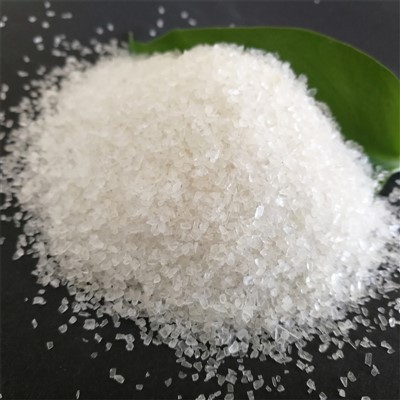
Zinc carbonate, a compound with the chemical formula ZnCO₃, has emerged as a significant material in the battery industry. As a reliable zinc carbonate supplier, I am excited to delve into the various applications and benefits of zinc carbonate in this dynamic sector.
1. The Basics of Zinc Carbonate in Batteries
Zinc carbonate exists in different forms, including Basic Zinc Carbonate and Industrial Grade Zinc Carbonate. These forms offer unique properties that make them suitable for battery manufacturing.
In batteries, zinc carbonate plays a crucial role as an electrode material. Zinc is a well - known anode material due to its high theoretical specific capacity and relatively low cost. When used in the form of zinc carbonate, it can provide a stable source of zinc ions during the battery's charge - discharge cycles.
2. Zinc - Carbonate - Based Batteries: Types and Working Principles
2.1 Zinc - Air Batteries
Zinc - air batteries are one of the most prominent applications of zinc carbonate in the battery industry. These batteries use zinc as the anode and oxygen from the air as the cathode. Zinc carbonate can be used as a precursor to prepare the zinc anode.
The working principle of a zinc - air battery involves the oxidation of zinc at the anode and the reduction of oxygen at the cathode. During discharge, zinc in the anode reacts with hydroxide ions in the electrolyte to form zincate ions and release electrons. The electrons flow through an external circuit, providing electrical energy. At the cathode, oxygen from the air reacts with water and electrons to form hydroxide ions.
Zinc carbonate is beneficial in the production of zinc - air batteries because it can be easily processed into a fine powder, which can then be used to fabricate a high - surface - area anode. A high - surface - area anode increases the reaction rate and improves the battery's performance, such as its power density and energy efficiency.
2.2 Zinc - Manganese Dioxide Batteries
Zinc - manganese dioxide (Zn - MnO₂) batteries are another common type where zinc carbonate finds application. These are typically primary batteries, which means they are non - rechargeable.
In a Zn - MnO₂ battery, the anode is made of zinc, and the cathode is manganese dioxide. Zinc carbonate can be used to prepare the zinc anode material. During discharge, zinc is oxidized at the anode, and manganese dioxide is reduced at the cathode.
The use of zinc carbonate in the anode preparation can enhance the battery's shelf life. It can form a protective layer on the surface of the zinc anode, which reduces self - discharge. Self - discharge is a phenomenon where a battery loses its charge over time even when not in use. By minimizing self - discharge, the battery can retain its energy for a longer period, making it more reliable for consumers.
3. Advantages of Using Zinc Carbonate in Batteries
3.1 Cost - Effectiveness
One of the major advantages of using zinc carbonate in the battery industry is its cost - effectiveness. Zinc is an abundant element, and the production of zinc carbonate is relatively simple and inexpensive compared to some other battery materials. This makes zinc - carbonate - based batteries more affordable for consumers, which is crucial for widespread adoption.
3.2 Environmental Friendliness
Zinc is considered a relatively environmentally friendly metal compared to some heavy metals used in batteries, such as lead and cadmium. Zinc carbonate, when used in batteries, can contribute to a more sustainable battery industry. Additionally, zinc - carbonate - based batteries can be recycled more easily, reducing the environmental impact associated with battery disposal.
3.3 Chemical Stability
Zinc carbonate has good chemical stability. It can withstand a wide range of operating conditions, such as temperature and humidity variations. This stability ensures the long - term performance of the battery and reduces the risk of degradation over time. For example, in zinc - air batteries, the chemical stability of the zinc carbonate - derived anode helps maintain the battery's performance even in harsh environmental conditions.
4. Challenges and Solutions in Using Zinc Carbonate in Batteries
4.1 Anode Passivation
One of the challenges in using zinc carbonate in batteries is anode passivation. Passivation occurs when a layer of insoluble compounds forms on the surface of the anode, which can impede the flow of electrons and ions and reduce the battery's performance.
To address this issue, researchers are exploring various methods. One approach is to add additives to the electrolyte or the anode material. These additives can prevent the formation of the passivation layer or dissolve it if it forms. Another method is to modify the surface of the zinc carbonate - derived anode to make it more resistant to passivation.
4.2 Electrolyte Compatibility
Zinc carbonate - based anodes need to be compatible with the electrolyte used in the battery. Some electrolytes may react with zinc carbonate, leading to the formation of unwanted by - products or the degradation of the anode.
To solve this problem, researchers are working on developing new electrolytes that are more compatible with zinc carbonate. These electrolytes should have good ionic conductivity, chemical stability, and low reactivity with the anode material.
5. Future Prospects of Zinc Carbonate in the Battery Industry
The future of zinc carbonate in the battery industry looks promising. With the increasing demand for sustainable and cost - effective energy storage solutions, zinc - carbonate - based batteries are likely to gain more attention.
Advancements in battery technology, such as the development of new electrode materials and electrolytes, will further enhance the performance of zinc - carbonate - based batteries. For example, the integration of nanotechnology can be used to improve the surface area and reactivity of zinc carbonate - derived anodes, leading to higher power and energy densities.
Moreover, as the electric vehicle (EV) market continues to grow, there is a need for batteries with high energy density, long cycle life, and low cost. Zinc - carbonate - based batteries have the potential to meet some of these requirements, especially in applications where high - power density is not the primary concern, such as in small - scale EVs or stationary energy storage systems.


6. Contact for Procurement
If you are interested in procuring high - quality zinc carbonate for your battery manufacturing needs, I invite you to reach out for further discussions. Our company offers a wide range of zinc carbonate products, including Basic Zinc Carbonate and Industrial Grade Zinc Carbonate, which are suitable for various battery applications. We can provide detailed product information, samples, and competitive pricing. Let's work together to drive innovation in the battery industry.
References
- Conway, B. E. (1999). Electrochemical Supercapacitors: Scientific Fundamentals and Technological Applications. Kluwer Academic/Plenum Publishers.
- Linden, D., & Reddy, T. B. (2002). Handbook of Batteries. McGraw - Hill.
- Wang, X., & Zhang, J. (2019). Recent Advances in Zinc - Air Batteries. Chemical Reviews, 119(12), 7235 - 7278.