Sodium hexametaphosphate (SHMP) isn't really a hexamer-it's a distribution of polyphosphate chains averaging six units, with some as short as two and others stretching past fifteen. The name stuck from early analytical approximations; the chemistry doesn't care.
The Boiler Scale Killer
Hard water deposits calcium carbonate in pipes and heat exchangers, forming rock-hard scale that insulates, blocks, and eventually destroys equipment. SHMP attacks this at the molecular level. Its long phosphate chains wrap around calcium ions, keeping them dissolved even at boiling temperatures. A few parts per million in cooling towers or boiler feedwater prevents scale that would otherwise require acid cleaning or pipe replacement. Power plants dose it continuously; the cost is negligible next to a shutdown.
The Detergent Workaround
Where STPP fell to environmental bans, SHMP partially stepped in. Its longer chains sequester calcium and magnesium effectively, though less completely than STPP's precise three-unit structure. Liquid detergents favor it for solubility reasons; powders often blend it with zeolites. The phosphate content still draws regulatory scrutiny, but SHMP biodegrades more slowly than STPP, spreading phosphorus release over time rather than dumping it immediately.
The Food Texture Fix
Processed cheese, canned seafood, and frozen desserts use SHMP to bind metal ions that would otherwise cause discoloration, off-flavors, or textural breakdown. In imitation crab, it stabilizes protein gels; in chocolate milk, it prevents calcium from reacting with cocoa polyphenols to form gritty precipitates. The compound doesn't add flavor-it removes the chemical obstacles to consistency.
The Drilling Fluid Stabilizer
Oilfield muds face constant ionic assault from formation waters rich in calcium and magnesium. SHMP complexes these ions, maintaining the rheological properties that keep cuttings suspended and wellbore walls stable. Without it, barite weighting agents settle out, fluid density drops, and the well collapses. Gulf of Mexico drilling operations dose it by the ton.
The Ceramic Deflocculant
Clay particles in water naturally clump due to electrostatic attraction. SHMP adsorbs onto particle surfaces, reversing their charge and forcing them apart. Ceramic slurries flow like water at solids loadings that would otherwise be unworkable. Spray dryers turn these fluidized slurries into uniform granules for pressing tiles and sanitaryware.
The Reality
SHMP is less famous than its phosphate cousins but arguably more versatile. Its chain-length distribution gives it adaptability that precise oligomers lack-good enough across many applications, excellent in none. Industrial formulators value this flexibility; purists find it chemically messy. Both are right.
What It Comes Down To
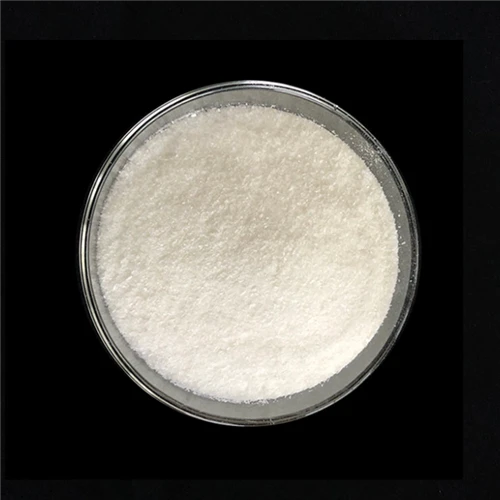
A glassy, hygroscopic powder that dissolves into invisible chains, wrapping around metal ions and keeping them out of trouble. The chemistry is ancient; the applications keep expanding.