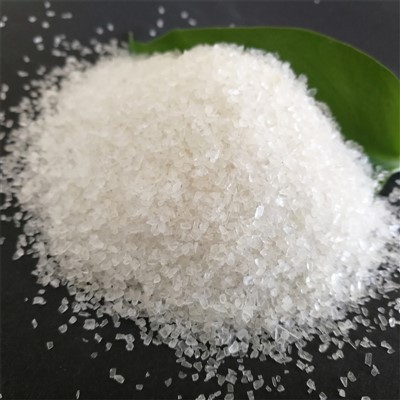
Can sodium bicarbonate be used in making ice cream? This is a question that might not cross the minds of many ice cream enthusiasts at first. As a sodium bicarbonate supplier, I've seen various applications of this versatile compound, and the idea of it being used in ice cream production is quite intriguing.
Sodium bicarbonate, also known as baking soda, is a well - known chemical compound with the formula NaHCO₃. It has a long history of use in baking, cleaning, and even in some medical applications. Its properties, such as its ability to react with acids to produce carbon dioxide gas, make it a valuable ingredient in many recipes. But can it find its way into the world of ice cream?
The Science Behind Sodium Bicarbonate
Before delving into its potential use in ice cream, let's understand the basic science of sodium bicarbonate. When it comes into contact with an acid, a chemical reaction occurs. For example, when combined with cream of tartar or lemon juice in baking, it releases carbon dioxide bubbles. This reaction is what causes dough or batter to rise.
In addition to its leavening properties, sodium bicarbonate is also a mild alkaline substance. It can help to regulate pH levels in a mixture. This property is important in many food applications, as the right pH can affect taste, texture, and the overall stability of the product.
Potential Benefits in Ice Cream Making
1. pH Regulation
Ice cream is a complex mixture of milk, cream, sugar, and sometimes various flavorings and additives. The pH of these ingredients can vary, and maintaining the right pH is crucial for the texture and stability of the ice cream. Sodium bicarbonate can act as a buffer, helping to keep the pH within an optimal range. A slightly alkaline pH can prevent the formation of large ice crystals, resulting in a smoother and creamier texture.
2. Flavor Enhancement
Sodium bicarbonate has a subtle flavor of its own. In small amounts, it can enhance the overall flavor profile of ice cream. It can help to balance out the sweetness and add a slight complexity to the taste. For example, in a vanilla ice cream, a tiny amount of sodium bicarbonate might bring out the natural vanilla flavors even more.
3. Leavening for Aeration
As mentioned earlier, sodium bicarbonate can produce carbon dioxide gas when reacting with an acid. In ice cream making, this could potentially be used to introduce air into the mixture. Aerated ice cream is lighter in texture and has a better mouthfeel. However, the percentage of sodium bicarbonate and the acid source need to be carefully controlled to achieve the right amount of aeration without over - doing it.
Considerations for Using Sodium Bicarbonate in Ice Cream
1. Taste Aversion
While sodium bicarbonate can enhance flavor in small amounts, if used in excess, it can leave a soapy or bitter aftertaste. This is something that ice cream manufacturers need to be extremely cautious about. A proper taste test should be conducted before mass - producing ice cream with sodium bicarbonate.
2. Compatibility with Other Ingredients
Some ingredients commonly used in ice cream, such as certain stabilizers or emulsifiers, might react with sodium bicarbonate. For example, if the ice cream contains acidic fruit purees, the reaction with sodium bicarbonate could change the color and texture of the final product. It's essential to understand these interactions and conduct thorough research before using sodium bicarbonate in a commercial ice cream recipe.
Safety of Using Sodium Bicarbonate in Ice Cream
Sodium bicarbonate is generally recognized as safe for consumption in food products. It is widely used in the food industry. However, as with any ingredient, moderation is key. In large quantities, it can cause digestive issues such as bloating and gas. Ice cream manufacturers need to ensure that the amount of sodium bicarbonate used is within the acceptable limits set by food safety regulations.
Our Sodium Bicarbonate Products
As a sodium bicarbonate supplier, we offer two high - quality products suitable for various applications, including potentially ice cream making.
The Baking Soda Sodium Bicarbonate is a well - refined product. It has a consistent particle size, which ensures uniform reactions in any mixture. The purity of this product is high, making it a reliable choice for food applications where quality is of utmost importance.
Our White Powder Sodium Bicarbonate is another excellent option. It has a fine texture and is very easy to dissolve. This property makes it ideal for use in ice cream, where a smooth and homogeneous mixture is desired.


Conclusion
In conclusion, sodium bicarbonate can indeed be used in making ice cream. It offers potential benefits in terms of pH regulation, flavor enhancement, and aeration. However, it also comes with challenges such as taste aversion and compatibility issues with other ingredients. With careful consideration and proper experimentation, ice cream manufacturers can explore the use of sodium bicarbonate to create unique and high - quality products.
If you're an ice cream manufacturer or someone interested in using sodium bicarbonate in your food products, we'd love to discuss your requirements. Contact us to start a procurement discussion and discover how our sodium bicarbonate products can meet your needs.
References
- "Food Chemistry" by Owen R. Fennema. This comprehensive book provides in - depth knowledge about the chemical reactions and properties of various food ingredients, including sodium bicarbonate.
- "Ice Cream: Science and Technology" by Robert T. Marshall, H. Douglas Goff, and Richard W. Hartel. It offers detailed information on ice cream production, ingredients, and quality control.