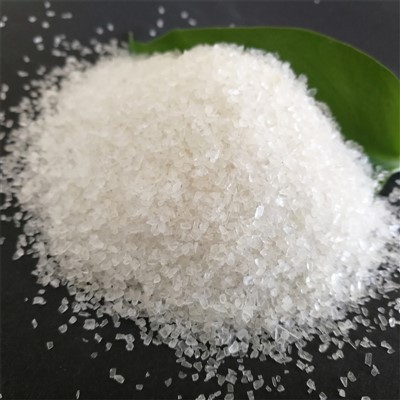
Hey there! As a sodium sulfate supplier, I've got a ton of info to share about the biological effects of this interesting compound. Sodium sulfate, a common chemical with the formula Na₂SO₄, has a wide range of impacts on living organisms, and I'm gonna break it down for you.
In the Human Body
Let's start with how sodium sulfate affects us humans. One of the most well - known uses of sodium sulfate is in medicine. It's often used as a laxative. When you consume sodium sulfate, it works by drawing water into the intestines through osmosis. This softens the stool and increases the frequency of bowel movements. For people suffering from constipation, a dose of sodium sulfate can provide much - needed relief.


But it's not all about the digestive system. Sodium and sulfate ions are also involved in maintaining the body's electrolyte balance. Sodium is crucial for nerve impulse transmission and muscle contraction. Sulfate, on the other hand, is a component of many important biomolecules like chondroitin sulfate, which is essential for the health of our joints and connective tissues.
However, like any substance, too much sodium sulfate can be a problem. High doses can lead to dehydration as the body tries to balance the osmotic pressure. Excessive intake can also cause electrolyte imbalances, which can have serious consequences for the heart, muscles, and nervous system. Symptoms of overexposure may include nausea, vomiting, diarrhea, and in severe cases, it can even lead to kidney damage.
In Plants
Sodium sulfate also plays a role in the plant world. Some plants can tolerate and even benefit from the presence of sodium sulfate in the soil. In fact, in some cases, it can act as a fertilizer. Sulfur is an essential nutrient for plants, and sulfate is a form of sulfur that plants can readily absorb. It's involved in the synthesis of amino acids, proteins, and vitamins.
However, high levels of sodium in the soil can be a double - edged sword. While plants need some sodium for normal physiological processes, too much can lead to salt stress. Sodium can interfere with the uptake of other essential nutrients like potassium and calcium. This can cause stunted growth, reduced photosynthesis, and even plant death in extreme cases.
Farmers and gardeners need to be careful when using sodium sulfate - containing fertilizers. They have to find the right balance to ensure that the plants get enough sulfur without being overwhelmed by sodium.
In Aquatic Ecosystems
In aquatic environments, sodium sulfate can have both positive and negative effects. In natural waters, small amounts of sodium sulfate are usually present as part of the normal chemical composition. It can contribute to the overall ionic strength of the water, which affects the behavior of other dissolved substances.
However, industrial discharges or agricultural runoff can introduce high levels of sodium sulfate into water bodies. This can increase the salinity of the water, which can be harmful to many aquatic organisms. Freshwater species are adapted to low - salt environments, and an increase in sodium sulfate levels can disrupt their osmoregulation. This means that they have to work harder to maintain the right balance of water and salts in their bodies.
Some aquatic plants and animals may be more tolerant to changes in salinity than others. For example, certain types of algae and bacteria can thrive in more saline conditions. But for many fish and invertebrates, high sodium sulfate levels can lead to reduced growth, reproduction problems, and even death.
Our Sodium Sulfate Products
As a sodium sulfate supplier, we offer high - quality products that can be used in various applications. We have Sodium Sulfate Anhydrous, which is a pure form of sodium sulfate without any water molecules. It's great for industrial processes where a dry and concentrated form of the compound is needed.
We also have 99% Sodium Sulfate, which is highly pure and suitable for a wide range of applications, including in the pharmaceutical, agricultural, and chemical industries.
If you're in the market for sodium sulfate, whether it's for industrial use, agricultural applications, or any other purpose, we're here to help. We can provide you with the right product and advice on how to use it safely and effectively.
We understand the importance of quality and safety, and we make sure that our products meet the highest standards. Whether you need a small quantity for a research project or a large - scale supply for an industrial operation, we've got you covered.
Conclusion
Sodium sulfate is a compound with a complex set of biological effects. It can be beneficial in the right amounts, but it also has the potential to cause harm if not used properly. Whether you're a medical professional, a farmer, an industrial chemist, or just someone interested in the science behind this compound, it's important to understand its impacts.
If you're interested in purchasing sodium sulfate for your specific needs, don't hesitate to reach out. We're always happy to have a chat about your requirements and help you find the best solution. Let's work together to make the most of this versatile compound while ensuring the safety of ourselves, our plants, and our environment.
References
- Brady, N. C., & Weil, R. R. (2002). The nature and properties of soils. Prentice Hall.
- Guyton, A. C., & Hall, J. E. (2006). Textbook of medical physiology. Elsevier Saunders.
- Raven, P. H., Evert, R. F., & Eichhorn, S. E. (2005). Biology of plants. W. H. Freeman and Company.