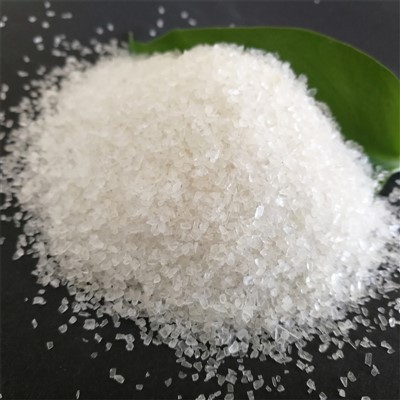
In the realm of healthcare and nutrition, calcium carbonate stands out as a crucial compound with a multitude of applications. As a leading supplier of Tablets Calcium Carbonate, I've witnessed firsthand the growing interest in understanding how this product affects the body, especially its impact on stomach acid secretion. This blog post aims to dive deep into the science behind the interaction between tablets calcium carbonate and stomach acid, providing valuable insights for consumers, healthcare professionals, and potential business partners.
Understanding Stomach Acid and Its Role
Before exploring the effects of tablets calcium carbonate on stomach acid secretion, it's essential to understand the role of stomach acid in the digestive process. The stomach produces hydrochloric acid (HCl), which plays a vital role in breaking down food, activating digestive enzymes, and killing harmful bacteria. The normal pH range of stomach acid is between 1.5 and 3.5, which is highly acidic. This acidity is crucial for the proper digestion of proteins and the absorption of certain nutrients.
However, an imbalance in stomach acid secretion can lead to various digestive issues. Hypersecretion of stomach acid can cause conditions such as acid reflux, heartburn, and peptic ulcers. On the other hand, hyposecretion can result in poor digestion, nutrient malabsorption, and an increased risk of infections.
How Tablets Calcium Carbonate Works
Tablets calcium carbonate is a common antacid and calcium supplement. As an antacid, it works by neutralizing excess stomach acid. Calcium carbonate reacts with hydrochloric acid in the stomach to form calcium chloride, water, and carbon dioxide. The chemical reaction can be represented as follows:
CaCO₃ + 2HCl → CaCl₂ + H₂O + CO₂
This reaction effectively reduces the acidity of the stomach contents, providing relief from symptoms associated with acid reflux and heartburn. The neutralization process raises the pH of the stomach, making it less acidic.
Impact on Acid Secretion Regulation
The ingestion of tablets calcium carbonate not only neutralizes existing stomach acid but also has an impact on the regulation of acid secretion. When the pH of the stomach rises due to the neutralization of acid by calcium carbonate, the body senses this change and tries to restore the normal acidic environment.


One of the ways the body regulates acid secretion is through a feedback mechanism involving the hormone gastrin. Gastrin is secreted by the G cells in the stomach lining in response to low pH (high acidity). It stimulates the parietal cells in the stomach to secrete hydrochloric acid. When the pH of the stomach increases after taking calcium carbonate, the secretion of gastrin is initially inhibited. As a result, the production of hydrochloric acid decreases temporarily.
However, over time, the body may compensate for the increased pH by increasing gastrin secretion. This rebound effect can lead to a subsequent increase in stomach acid secretion. The degree and duration of this rebound effect can vary depending on factors such as the dose of calcium carbonate, the frequency of use, and individual differences in the body's regulatory mechanisms.
Benefits of Using Tablets Calcium Carbonate for Acid Management
Despite the potential rebound effect, tablets calcium carbonate offers several benefits for managing stomach acid-related issues.
- Rapid Relief: It provides quick relief from the symptoms of acid reflux and heartburn. The neutralization of acid occurs almost immediately after ingestion, soothing the irritation in the esophagus and stomach.
- Calcium Source: In addition to its antacid properties, tablets calcium carbonate is an excellent source of calcium. Calcium is essential for maintaining strong bones and teeth, muscle function, nerve transmission, and blood clotting. For individuals who may be at risk of calcium deficiency, taking calcium carbonate tablets can help meet their daily calcium requirements while also addressing acid-related discomfort.
- Safety and Tolerability: Calcium carbonate is generally well-tolerated by most people. It is a natural compound that is widely available and has a long history of use in the pharmaceutical industry.
Considerations for Long-Term Use
While tablets calcium carbonate can be effective for short-term relief of acid-related symptoms, long-term use may have some potential drawbacks.
- Rebound Hyperacidity: As mentioned earlier, the rebound effect can lead to increased stomach acid secretion over time. This may cause a recurrence of symptoms and make the condition worse if not managed properly.
- Constipation: Calcium carbonate can sometimes cause constipation, especially when taken in high doses or for an extended period. This is because calcium can slow down the movement of the intestines and harden the stool.
- Drug Interactions: Calcium carbonate can interact with certain medications, reducing their effectiveness. For example, it can interfere with the absorption of antibiotics, thyroid medications, and some iron supplements. It's important to consult a healthcare professional before taking calcium carbonate if you are on other medications.
Our Product: Quality and Assurance
As a trusted supplier of Tablets Calcium Carbonate, we are committed to providing high-quality products that meet the strictest standards of safety and efficacy. Our tablets are manufactured using state-of-the-art technology and undergo rigorous quality control checks at every stage of the production process.
We source our calcium carbonate from reliable suppliers and ensure that it is of the highest purity. Our tablets are formulated to provide optimal acid-neutralizing capacity while also delivering the recommended amount of calcium. In addition to tablets, we also offer 1000 Mesh Powder Calcium Carbonate, which can be used in various industries, including pharmaceuticals, food, and cosmetics.
Conclusion and Call to Action
In conclusion, tablets calcium carbonate plays a significant role in managing stomach acid secretion. It provides rapid relief from acid-related symptoms by neutralizing excess acid and can also serve as a valuable source of calcium. However, it's important to use this product responsibly and under the guidance of a healthcare professional, especially for long-term use.
If you are a healthcare provider, retailer, or distributor interested in sourcing high-quality tablets calcium carbonate or 1000 Mesh Powder Calcium Carbonate, we would be delighted to partner with you. Our team of experts is ready to provide you with detailed product information, samples, and competitive pricing. Contact us today to discuss your procurement needs and explore the potential of our products in your business.
References
- Feldman, M., Friedman, L. S., & Brandt, L. J. (Eds.). (2016). Sleisenger and Fordtran's Gastrointestinal and Liver Disease: Pathophysiology, Diagnosis, Management. Elsevier.
- Martin, C. R., & Scrimshaw, N. S. (1997). Calcium carbonate and calcium citrate as calcium supplements. Journal of the American College of Nutrition, 16(2), 141-146.
- Kahrilas, P. J., & Shaw, M. C. (2009). Management of gastroesophageal reflux disease. New England Journal of Medicine, 360(14), 1487-1499.