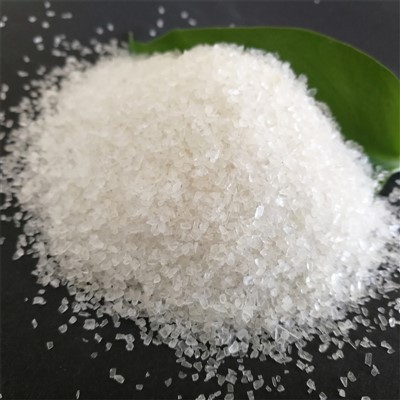
Carbonates are a group of chemical compounds that play a significant role in various industries, including the food industry. As a carbonate supplier, I have witnessed firsthand the diverse effects of carbonates on the taste of food. In this blog post, I will explore the different ways carbonates can influence the flavor, texture, and overall sensory experience of various food products.
Carbonates in Food: An Overview
Carbonates are salts that contain the carbonate ion (CO₃²⁻). The most common carbonates used in the food industry are sodium carbonate (Na₂CO₃), sodium bicarbonate (NaHCO₃), and calcium carbonate (CaCO₃). These compounds are often used as leavening agents, pH regulators, anti - caking agents, and flavor enhancers.
Sodium Carbonate
Sodium carbonate, also known as soda ash, is a strong alkaline compound. It is commonly used in the production of baked goods, noodles, and some traditional foods. Soda Ash Sodium Carbonate is highly soluble in water and can react with acids in the food system to produce carbon dioxide gas.
Sodium Bicarbonate
Sodium bicarbonate, or baking soda, is a milder alkaline compound. It is widely used as a leavening agent in baking. When heated or combined with an acid, White Powder Sodium Bicarbonate decomposes to release carbon dioxide, which causes the dough or batter to rise.
Calcium Carbonate
Calcium carbonate is a common calcium supplement and is also used as an anti - caking agent in powdered foods. It can provide a slightly chalky taste in high concentrations but is generally considered safe and has a neutral flavor profile in small amounts.
Effects on Taste
Leavening and Aeration
One of the most significant effects of carbonates on food taste is through the leavening process. When carbonates react with acids or are heated, they release carbon dioxide gas. In baked goods, this gas forms bubbles, which expand the dough or batter, resulting in a lighter, more porous texture.
For example, in cakes and muffins, the use of sodium bicarbonate as a leavening agent creates a soft and fluffy crumb. The increased surface area of the porous structure allows flavors to be more evenly distributed and perceived by the taste buds. The light texture also gives a more pleasant mouthfeel, enhancing the overall taste experience.
In bread - making, the addition of sodium carbonate can help adjust the pH of the dough, which in turn affects the activity of yeast. A proper pH environment promotes better yeast fermentation, leading to a more flavorful and well - risen loaf.
pH Regulation
Carbonates can act as pH regulators in food systems. They can neutralize acids, which can have a profound impact on taste. For instance, in pickling, sodium carbonate can be used to adjust the pH of the brine. By reducing the acidity, it can mellow the sharpness of the pickled vegetables, making them more palatable.
In dairy products, the addition of calcium carbonate can help buffer the acidity. This is important in products like yogurt, where a balanced pH is necessary for the growth of beneficial bacteria and for a pleasant, tangy - yet - not - overly - acidic taste.
Flavor Enhancement
Some carbonates can directly enhance the flavor of food. Sodium carbonate, for example, has a slightly salty and alkaline taste. In certain Asian cuisines, it is used in small amounts in noodles. The alkaline nature of sodium carbonate gives the noodles a unique, chewy texture and a characteristic savory flavor. It also helps to develop a golden - brown color on the surface of the noodles during cooking, which is associated with enhanced flavor.


Sodium bicarbonate can also contribute to flavor development. When used in baking, it can react with other ingredients to form Maillard reaction products. The Maillard reaction is a chemical reaction between amino acids and reducing sugars that occurs when food is heated, resulting in the development of complex, savory, and sometimes sweet flavors.
Impact on Texture and Mouthfeel
Carbonates can significantly affect the texture and mouthfeel of food, which in turn influences taste perception.
Crispness and Crunch
In fried foods, the use of carbonates can enhance crispness. When a batter containing sodium bicarbonate is used to coat food before frying, the release of carbon dioxide during the frying process creates a porous and crispy outer layer. This crisp texture provides a satisfying contrast to the soft interior of the food, making it more appealing to eat.
Creaminess and Smoothness
In some dairy - based desserts, carbonates can contribute to a creamy and smooth texture. Calcium carbonate can be used as a stabilizer in ice cream. It helps to prevent the formation of ice crystals, resulting in a smoother and more homogeneous product. The improved texture enhances the perception of creaminess and the overall taste of the ice cream.
Special Considerations
While carbonates offer many benefits in food, it is important to use them in the right amounts. Excessive use of carbonates can lead to an unpleasant taste. For example, too much sodium bicarbonate in a baked good can result in a soapy or bitter aftertaste. This is because an over - abundance of the alkaline compound can disrupt the delicate balance of flavors in the food.
The source and purity of carbonates also matter. High - quality carbonates from a reliable supplier ensure consistent results in food production. As a carbonate supplier, I understand the importance of providing products that meet the strict quality standards of the food industry.
Conclusion
Carbonates have a wide range of effects on the taste of food. From leavening and pH regulation to flavor enhancement and texture modification, they play a crucial role in creating delicious and appealing food products. Whether it's the fluffy texture of a cake, the chewy goodness of noodles, or the crispness of fried foods, carbonates contribute to the diverse flavors and textures that we enjoy in our daily meals.
If you are a food manufacturer, chef, or anyone involved in the food industry and are interested in exploring the benefits of carbonates for your products, I encourage you to reach out for a procurement discussion. We offer a variety of high - quality carbonates, including Soda Ash Sodium Carbonate, White Powder Sodium Bicarbonate, and Basic Zinc Carbonate. Let's work together to create better - tasting food!
References
- Fennema, O. R. (1996). Food Chemistry. Marcel Dekker.
- Potter, N. N., & Hotchkiss, J. H. (1995). Food Science. Chapman & Hall.
- Labuza, T. P. (1984). Introduction to Food Chemistry. Van Nostrand Reinhold.