Magnesium chloride is used as a deicing material because it can lower the freezing point of water and help prevent ice from bonding strongly to road surfaces. It is commonly considered for roads, parking areas, sidewalks and other surfaces where snow and ice can create transportation and safety problems.
One reason magnesium chloride is useful in winter maintenance is its ability to attract moisture. When applied in an appropriate concentration, magnesium chloride brine can remain active under cold conditions and help melt existing ice or prevent new ice from forming. This makes it different from simply applying water, which can freeze again as temperatures fall.
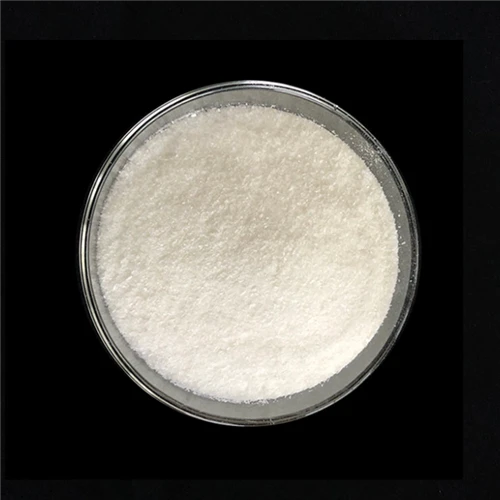
Magnesium chloride can be supplied in several forms, including flakes, pellets and liquid brine. Solid magnesium chloride can be dissolved in water to prepare a deicing solution, while liquid brine can be applied directly with suitable spreading equipment. The choice usually depends on local temperatures, application equipment, storage facilities and the scale of the operation.
For industrial buyers, product quality is an important consideration. MgCl₂ content, moisture, impurities, physical form and consistency between batches can affect handling and application. Buyers should also consider packaging and storage because magnesium chloride is hygroscopic and can absorb moisture during storage.
Although magnesium chloride can be effective for winter road maintenance, application rates should be matched to weather and surface conditions. Excessive use may increase chloride levels in runoff and potentially affect vegetation, soil and nearby water resources.
For this reason, selecting a suitable magnesium chloride grade for deicing requires more than comparing price. Buyers should evaluate the product specifications, application conditions, packaging and local environmental requirements before making a bulk purchase.