Hey there! As a sodium sulfite supplier, I've seen firsthand the many roles this chemical plays in various industries. Today, I'm going to focus on its significance in the leather industry. Let's dive right in!
1. Understanding Sodium Sulfite
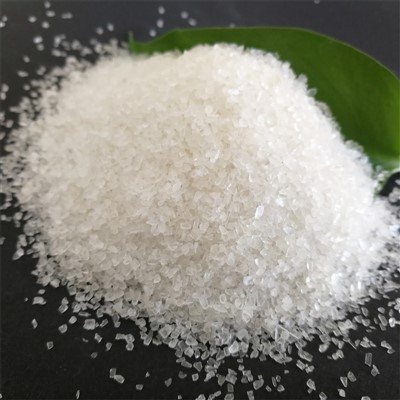
Before we get into its role in the leather industry, let's quickly understand what sodium sulfite is. Sodium sulfite is a white, crystalline powder that's soluble in water. It's commonly available in two forms: Sodium Sulfite Anhydrous and Industrial Grade Sodium Sulfite. The anhydrous form has no water molecules attached to it, while the industrial - grade version is formulated to meet the specific requirements of industrial applications.
2. Sodium Sulfite in Leather Tanning
One of the primary stages in leather production is tanning. Tanning is the process of converting raw hides and skins into leather, making it more durable and resistant to decomposition. Sodium sulfite plays a crucial role here.
Dehairing and Liming
In the dehairing and liming process, hides are treated to remove hair and other unwanted materials. Sodium sulfite helps in this process by reducing the disulfide bonds in the hair proteins. These bonds hold the hair firmly to the hide. When sodium sulfite breaks these bonds, the hair can be easily removed. This not only makes the dehairing process more efficient but also helps in preserving the quality of the hide.
Moreover, during liming, sodium sulfite can prevent the excessive swelling of the hide. If the hide swells too much, it can lead to a loss of fiber structure and a decrease in the quality of the final leather product. By controlling the swelling, sodium sulfite ensures that the leather retains its strength and flexibility.
Bleaching
Leather often needs to be bleached to achieve a uniform color or a lighter shade. Sodium sulfite is an effective reducing agent for bleaching leather. It reacts with the chromophores (color - producing groups) in the leather, breaking them down and reducing their ability to absorb light. This results in a lighter and more consistent color of the leather. Unlike some other bleaching agents, sodium sulfite is relatively mild, which means it doesn't damage the leather fibers while bleaching. This is important because damaged fibers can lead to a weaker and less durable leather product.


3. Preservation of Leather
Leather is prone to microbial growth, especially in humid conditions. Microbes can cause the leather to rot, develop unpleasant odors, and lose its strength. Sodium sulfite has antimicrobial properties that help in preserving the leather.
It works by creating an environment that's unfavorable for the growth of bacteria and fungi. Sodium sulfite can react with oxygen in the air, reducing the oxygen levels in the immediate vicinity of the leather. Since many microbes require oxygen to survive and grow, the reduced oxygen levels inhibit their growth. This extends the shelf - life of the leather products and keeps them in good condition for a longer time.
4. Adjusting pH in Leather Processing
Maintaining the right pH level is crucial in leather processing. Different stages of leather production require different pH conditions for optimal results. Sodium sulfite can be used to adjust the pH of the processing solutions.
In some cases, the processing solutions may become too acidic. Sodium sulfite can act as a base and neutralize the excess acid, bringing the pH to a more suitable level. On the other hand, if the solution is too alkaline, sodium sulfite can react with certain alkaline substances to lower the pH. By controlling the pH, sodium sulfite ensures that the chemical reactions involved in leather processing occur at the right rate and with the desired outcomes.
5. Improving Leather Softness and Flexibility
The flexibility and softness of leather are important factors, especially for products like leather clothing, shoes, and bags. Sodium sulfite can contribute to improving these properties.
During the tanning process, sodium sulfite can help in the penetration of tanning agents into the leather fibers. When the tanning agents penetrate more effectively, they can form stronger bonds with the fibers. This not only enhances the durability of the leather but also makes it softer and more flexible. Additionally, by preventing the formation of rigid cross - links between the fibers, sodium sulfite allows the fibers to move more freely, resulting in a more supple leather product.
6. Cost - effectiveness
From an economic perspective, sodium sulfite is a cost - effective option for the leather industry. It is relatively inexpensive compared to some other chemicals used in leather processing. Moreover, its multi - functional nature means that it can perform several tasks in the leather production process with just one chemical. This reduces the need for multiple chemicals, which in turn lowers the overall production cost.
7. Environmental Considerations
In today's world, environmental concerns are a top priority for many industries, including the leather industry. Sodium sulfite has some environmental advantages.
It is a relatively safe chemical compared to some other substances used in leather processing. When properly disposed of, it doesn't pose a significant threat to the environment. Additionally, since it can replace some more toxic chemicals in the leather production process, using sodium sulfite can lead to a reduction in the environmental impact of leather manufacturing.
8. Why Choose Our Sodium Sulfite?
As a sodium sulfite supplier, we take pride in offering high - quality products. Our Sodium Sulfite Anhydrous and Industrial Grade Sodium Sulfite are produced using the latest manufacturing techniques to ensure purity and consistency.
We understand the specific requirements of the leather industry, and our products are formulated to meet those needs. Whether you need sodium sulfite for dehairing, bleaching, or any other leather processing step, our products will deliver excellent results. We also offer competitive pricing and reliable delivery services, so you can focus on your leather production without worrying about the supply of sodium sulfite.
9. Contact Us for Your Sodium Sulfite Needs
If you're in the leather industry and are looking for a reliable sodium sulfite supplier, we'd love to hear from you. Whether you have questions about our products, need a sample, or want to discuss a bulk purchase, don't hesitate to reach out. We're here to help you make your leather production process more efficient and your leather products of higher quality.
References
- "Leather Science and Technology" by John H. Sharphouse
- "The Chemistry of Leather Manufacture" by E. R. Trotman
- Research papers on leather processing from the Journal of the American Leather Chemists Association